




Learn more about anti-aging and skincare Click here to learn about local facelift surgeons

Facial Exercise

Reviewed by Linda Nelson, National Technical Director, Skin Authority

Your face has more than ten bones and 12 muscles, with numerous branches of nerves, arteries, and veins. Facial exercise can help in all of these areas. It is typically used to stimulate blood flow and circulation, to better prepare skin for a facial treatment, relieve tension, or assist in treating medical conditions.

Why Do Faces Age?

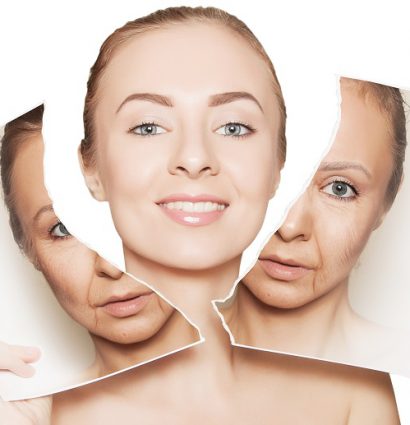
The face often ages more rapidly than other parts of the body. Facial skin is exposed to the environment more than other areas. Exposure to sun, wind, excessive heat, and cold, as well as chemical and biological pollution, can damage your face. Hormonal changes, depleted collagen production, thinning of the skin due to free-radical damage, slacked facial ligaments, genetic disposition, and poor diet can produce an appearance of sagging, discolored, dull skin. Facial exercise may be included along with a combination of treatments in your anti-aging and skincare plan.

Uses of Facial Exercise

Facial exercise is often used by estheticians and RNs prior to facials, microdermabrasion, and chemical peel treatments. Doctors may recommend facial exercise to treat certain medical conditions such as TMJ. TMJ is characterized by faulty movement of the temporomandibular joint and produces facial pain, headaches, and other uncomfortable symptoms.

Faces move frequently as we smile, laugh, speak, and frown — working at least 15 hours a day. The face also can house the tension and stress of life. Tensed facial muscles can inhibit blood flow and circulation. Licensed massage therapists perform facial exercise to relieve tension.

Facial exercise in the form of a massage can also be an important part of a facial. Facial exercise performed by a licensed esthetician or RN during a facial can help blood circulation, which aids detoxification. Detoxification produced by lymphatic drainage occurs when lymph fluid, containing bacteria and debris, is transported through the lymph vessels in the body tissue. As lymph fluid is carried through the bloodstream, the bacteria and debris is sieved by lymph nodes. During a facial, facial exercise can help facilitate lymphatic drainage.

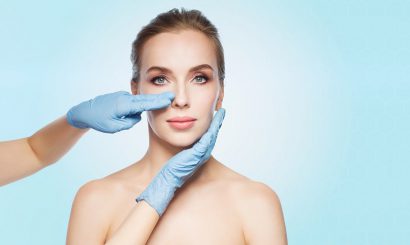
Facial exercise is often performed by moving the pads of the fingers in an upward, outward motion over different areas of the face. Practitioners may massage areas or slightly pinch around the brow where facial tension is concentrated. They may massage along the jaw line or at the hinges of the jaw and cheekbone to help manage TMJ.

At Home Facial Exercise

"At-home facial exercise" has been touted recently as a method to improve the appearance of an aged face. However, evidence that facial exercise improves aging skin is inconclusive. In fact, some dermatologists warn that at-home facial exercise can increase signs of aging, because inappropriate downward movements can cause wrinkles and sagging skin. Exercising to stimulate facial blood flow makes sense. But facial exercises for anti-aging purposes should be discussed with your doctor.

A Few Helpful Tips

If you decide to implement a daily facial exercise plan and want to take wrinkle prevention seriously, doctors recommend that you avoid these habits:

  • Scrubbing your face too strenuously
  • Using a downward scrubbing motion during cleansing
  • Squinting your eyes
  • Leaning your chin or cheek on the telephone or on your hand
  • Sleeping with your hand lodged between your chin, cheek, or pillow
  • Sipping beverages from straws — doctors say sipping from straws can contribute to wrinkles

Consult a Qualified Doctor, Licensed RN, and Esthetician

Before deciding on facial exercise, discuss the options with a qualified treatment provider. Be sure to ask about credentials and training. Dermatologists, plastic surgeons, RNs, and estheticians may have extensive experience in the area of facial exercise.

Your treatment provider can help you understand the purpose of the exercise, possible benefits, and realistic expectations. Your provider can also help you explore alternatives or additional options to optimize your customized combination treatment plan.

A Note About the Reviewer of This Article

Linda Nelson is the national technical director for Skin Authority, which has Skin Authority Skin Clinic locations in the Orange County, San Diego and Riverside areas of southern California.

[page updated April 2008]