



What You Need to Know About Periareolar Incisions
Reviewed by Scott R. Miller, MD, FACS and by Michael Olding, MD, FACS
A periareolar incision (nipple incision) is one type of incision used in the placement of implants for breast augmentation.
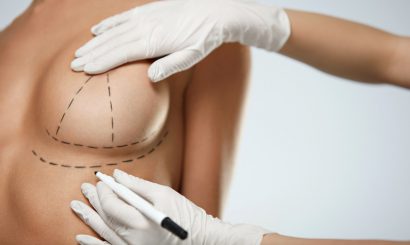
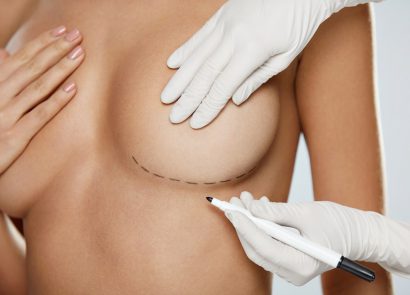
The periareolar incision is placed along the outline of the areola, or the brown or pink pigmented region surrounding the nipple. It allows for precise pocket modification as necessary to create the desired breast shape and complete hemostatis (controlled bleeding).
Breast Anatomy Relative to the Periareolar Incision
The breast comprises a complex group of tissues, including glandular, fatty, and fibrous tissues. The glandular tissues in the breast extend from the middle of the breast to the ducts around the nipple area.
How is the Periareolar Incision Performed?
To perform the periareolar incision, the plastic surgeon makes an incision at the edge of the areola. The goal of the incision is to place it in the transition area between the dark areola and surrounding breast skin where it can be hidden.
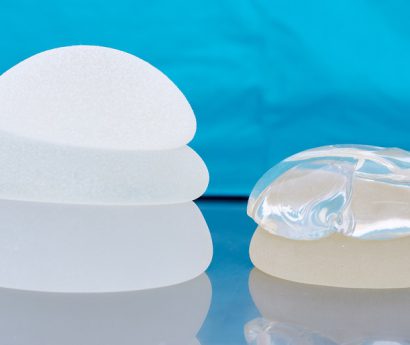
After the incision, the plastic surgeon creates a pocket for the breast implant and then slides the implant through the incision into the breast pocket. Once inserted, the implant is then centered behind the nipple.
Advantages of the Periareolar Incision
One possible advantage of the peri-areola surgery is that there may be no visible scar, because of the color and texture characteristics of the areola border. In some cases, a scar may be visible. Another advantage, as with the inframammary incision, this incision allows the implant to be placed in precise pocket formation and provides for absolute controlled bleeding.
Consult a Surgeon
Each individual's situation is unique, and this incision may or may not be the best one for you. Be sure to discuss the advantages of each incision option with a board-certified plastic surgeon.
About the Reviewer of This Article
Michael Olding, MD, FACS, of Washington, D.C. is board-certified in plastic and reconstructive surgery by the American Board of Plastic Surgery and is a member of the American Society of Plastic Surgeons, the Northeastern Society of Plastic Surgery and the National Capital Society of Plastic Surgeons, where he was elected president. Dr. Olding specializes in cosmetic plastic surgery procedures and clinically related activities in cosmetic surgery, cosmetic facial surgery, breast augmentation and reduction, rhinoplasty, body contouring, liposuction and melanoma. He is also one of the area experts on soft-tissue fillers (Restylane, Sculptra and Botox). He received his doctorate in medicine from the University of Kentucky in 1980 and completed his internship at Cornell Medical Center. He completed his fellowship in plastic and reconstructive surgery at McGill University in Montreal. Dr. Olding maintains hospital staff privileges at George Washington University Medical Center, Sibley Hospital and Children's Hospital in Washington, D.C. More about Dr. Michael Olding
Related Topics
Here are the three implant placement locations:
[page updated June 2008]
Contact Us | About Us | Site Map | Terms of Use | Privacy Statement