


Abdominal Etching – Unleash Your Inner Six Pack
Reviewed by Julius Few, MD
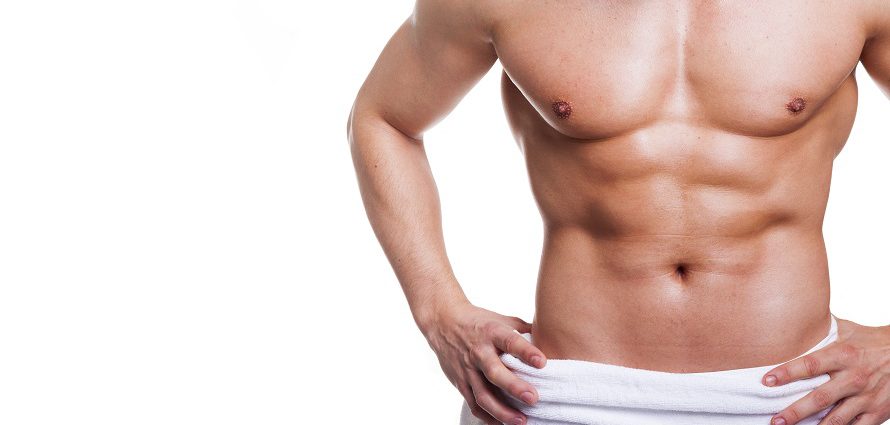
Abdominal etching takes liposuction to the next level. It is a form of liposculpting that removes excess fat between the abdominal muscles, creating indentations that resemble those seen on a six-pack or washboard stomach. With ab etching, your stomach can appear tighter, firmer and more muscular.
Ab etching can be performed with traditional liposuction (female or male liposuction) or abdominoplasty, but differs from these two procedures. Liposuction of the abdominal area removes pockets of fat, but does not involve the same level of detailing as ab etching. Abdominoplasty, or tummy tuck, removes extra fat and skin and tightens the muscles in the abdominal wall, but it is also less effective than abdominal etching for fine-tuned sculpting.
Abdominal Etching: Is It Right for You?
This liposculpting procedure may be the final step in a dramatic transformation that starts with massive weight loss and other cosmetic surgeries, or it may be the sole procedure necessary to do what all your Pilates and stomach crunches can’t do.
Abdominal etching is not for everyone. The ideal candidate should be physically fit and have naturally athletic-looking abdominal muscles but with relatively small pockets of fat in the abdominal area. If your total body fat is more than 18 percent, you are likely not an appropriate candidate for abdominal etching. The best way to assess your candidacy is to schedule a consultation with a board-certified plastic surgeon. Start this process now.
During this consultation, you should discuss your aesthetic goals. Your prospective surgeon will examine you to determine if abdominal etching or another abdominal plastic surgery is right for you. If you decide to move forward, ask for a list of pre- and postoperative instructions.
The Abdominal Etching Procedure
Abdominal etching is performed in the doctor’s office or in an outpatient surgery center. Time in surgery is about one hour. The procedure is performed with “twilight” anesthesia (you are awake but not fully aware) or general anesthesia. You may be asked to contract your abdominal muscles before the procedure so your surgeon can locate and mark the areas where he or she will create the indentations.
Next, your surgeon will create several one- to two-millimeter incisions in your belly button or within the natural creases of your abdomen. He or she will then insert a cannula (a tube-like instrument) to remove excess fat and sculpt grooves in the remaining fat to emphasize your natural musculature.
After Abdominal Etching Surgery
Following your treatment, expect some pain, swelling and bruising, all of which can be managed with medications and proper care. Your surgeon will fit you with a medical compression garment that you must wear for about three to six weeks. This will help minimize swelling. Your surgeon will give you specific instructions about what you can and can’t do in the days and weeks after abdominal etching. This will include not lifting anything that weighs 10 pounds or more. You will be allowed to shower within 48 hours after ab etching surgery. Follow your doctor’s instructions to minimize your risk of complications.
You can resume normal activities within one to three weeks. The full results of abdominal etching are visible within six months, but you will start seeing some positive changes earlier.
Complications and Risks of Abdominal Etching
Abdominal etching risks include infection, bleeding and excessive scarring. There are also risks associated with general anesthesia. Discuss all the possible abdominal etching and liposuction risk scenarios with your surgeon.
Consult a Qualified Plastic Surgeon
Choosing an experienced, board-certified plastic surgeon is essential for the success of your ab etching procedure. He or she should be certified by the American Board of Plastic Surgery and have extensive experience performing abdominal etching as well as other abdominal plastic surgery procedures.
Ask to see before and after photos of people who have had the ab etching procedure performed by the same surgeon.
Abdominal Etching Cost
Abdominal etching cost includes three fees: anesthesia fees, facility fees and surgeon’s fees. If you undergo abdominal etching during traditional liposuction, you pay only one anesthesia fee and facility fee for both procedures. Average total fees (including the cost of the liposuction) range from $3,000 to $10,000. Prices vary based on the liposuction technique — that is, whether you opt for tumescent liposuction, laser lipo or another method of fat extraction.
About the Reviewer of This Article
Julius Few, MD, is the founder of the Few Institute For Aesthetic Plastic Surgery in Chicago. Board certified by the American Board of Plastic Surgery and the American Board of Surgery, he is also a clinical associate professor in the division of plastic surgery at the University of Chicago and the current president of the Illinois Society of Plastic Surgeons.
Dr. Few received his medical degree from the University of Chicago Pritzker School of Medicine, and completed his residency in general surgery at the University of Michigan Medical Center in Ann Arbor, followed by plastic surgery training at Northwestern University in Chicago. He has also received special facial and eye cosmetic training in Honolulu, New York and Atlanta.