


Plastic Surgery for Men
Reviewed by Phillip Haeck, MD
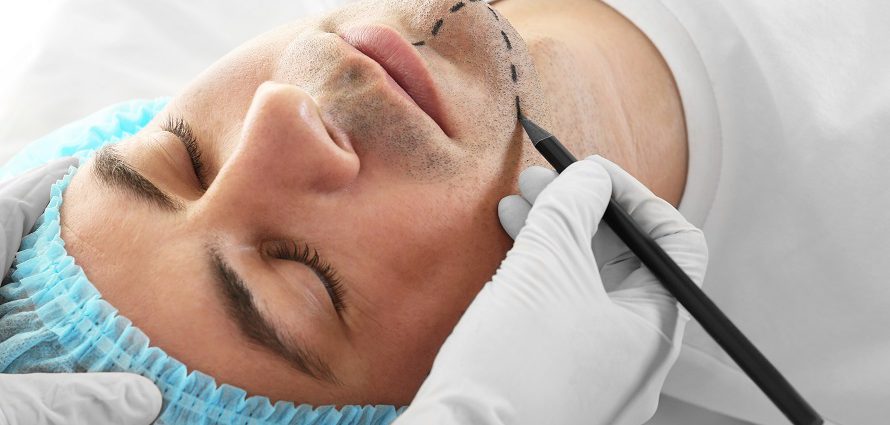
Plastic surgery is not just for women. Men are increasingly opting for nips and tucks largely so they can keep their existing jobs or perhaps land a new one. The most recent stats from the American Society of Plastic Surgeons show that male plastic surgery helped fuel a rebound in the number of cosmetic surgery procedures performed in the United States. And we are not just talking about Botox or other injectables — growing numbers of men are opting for facelifts and liposuction.
The top five minimally-invasive cosmetic procedures chosen by men are:
- Botox
- Laser hair removal
- Microdermabrasion
- Chemical peel
- Soft tissue fillers
The top five cosmetic surgical procedures for men are:
- Rhinoplasty (nose reshaping)
- Eyelid surgery
- Liposuction
- Breast reduction
- Hair transplantation
Why Are More Men Choosing Plastic Surgery?
The rise in plastic surgery procedures among men is likely driven in part by the aging of the baby boom generation, but there may be more to it. Although the economy has improved since the recession of 2009, the employment landscape has been altered dramatically. Jobs are returning at a sluggish pace, and older men may be turning to plastic surgery to stay in the game.
The spike in male plastic surgery is not only due to older men trying to appear younger. The rise in male breast reduction surgery for the treatment of gynecomastia, for example, has been fueled by a growing public awareness of this procedure. The same can be said regarding the benefits of liposuction for men.
Special Considerations in Male Plastic Surgery

Male plastic surgery differs in some ways from female plastic surgery due to anatomical differences between men and women. For example, while male nose surgery and female nose surgery may seem similar, anatomical and psychological differences between the sexes do play a role in the recovery process. Men’s muscles tend to be thicker, their skin texture is coarser and their facial structure is different than that of women. The precise areas where a man is injected with soft tissue fillers differs from those where a female is injected, as men and women show the signs of facial aging differently.
Hairstyle and makeup can cover a lot for women, but men have more limitations. As a result, men can’t cover facial scars as well as women. Men may be more concerned about privacy than women, and they may be more worried about taking time off from work or their job search. Men also bleed more than women, and this increases the risk of excessive bleeding or a hematoma (blood pooling that may clot outside a blood vessel). These gender differences may alter the procedure choice or the extent of the procedure.
For example, neck lifts are becoming more popular for men interested in removing the “turkey waddle.” A man’s beard length and sideburns may affect incision placement. Also, the muscles in the neck are thicker in men than they are in women. This does not necessarily present a problem, but it may change the extent of the procedure.
Some of the differences are positive in terms of healing. The skin texture of a man’s chin and neck is coarser than that of a woman, potentially disguising the appearance of scars. The beard and sideburns can also hide scars.
With hair transplantation, the location of a man’s hairline may necessitate additional medical procedures such as scalp flap to bring hair to the areas where it is lacking.
The surface layer of the skin must be treated differently in men, which affects their chemical peel and microdermabrasion treatments. For example, men cannot shave for up to three weeks after a chemical peel. The skin may appear to have a red tint for several weeks, which can be hidden with a beard.
Male liposuction is often performed on men to remove love handles or reduce breast size due to gynecomastia. Results for men with general liposuction are usually strong because they tend to have greater skin elasticity than women.
Tummy tuck (abdominoplasty) is less common among males. Male tummy tuck surgery is most typical excessive abdominal weight loss following weight loss surgery such as gastric bypass or Lap-Band.
Implants for Men
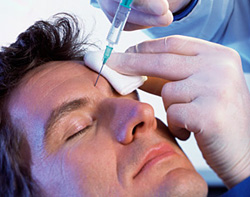
The rise of male cosmetic surgery affords men the same anti-aging benefits as women. Men have several options when it comes to improving their appearance through the placement of implants, including:
Facial Implants. Many men opt for facial implants to better define their profile. Chin implants surgery (also known as chin surgery or mentoplasty) can help men achieve a stronger chin and is occasionally performed in conjunction with rhinoplasty. Jaw implants can help men strengthen and define their jaw line. Cheek implants are another popular form of male facial augmentation that can provide facial fullness in men with hollow, concave cheeks.
Chest Implants. Also referred to as male breast implants, chest implants are gaining in popularity as increasing numbers of men are realizing there are some things that push-ups just can’t do. Pectoral implants can help the chest look fuller and more muscular. Bicep implants and tricep implants can add definition and fullness to the arms.
Lower Body Implants. Numerous lower body implants are available to help men improve their appearance and self-confidence. Calf implants, for example, can help men with thin, shapeless calves beef up their lower legs. Nearly 60 percent of individuals who opt for calf implants are men, according to the American Society of Plastic Surgeons.
Men with flat, poorly developed buttocks are turning to butt implants so that their behinds look better both in clothes and out. Butt implants can turn pancake buttocks into firm, muscular-looking buns of steel.
Penile implants are an option for men with erectile dysfunction who have not responded to Viagra or other drugs used to treat this disorder. Several types of penile implants are available, including inflatable and malleable models. Penile implants will not make your penis longer or increase sexual desire or sensation, but they can help men achieve an erection sufficient for sexual intercourse on demand.
Selecting a Doctor
Regardless of your gender, select a board-certified plastic surgeon. During your consultation, ask to view before and after photos of other men who have had similar procedures with this same surgeon. Also discuss any gender-specific concerns or challenges. Start your search for the right surgeon here.
About the Reviewer of This Article
Phillip Haeck, MD, is a partner at Plastic Surgery Associates of Seattle. He is the immediate-past president of the American Society of Plastic Surgeons (ASPS). An ASPS member surgeon since 1990, Dr. Haeck has held board positions, including ASPS/Plastic Surgery Education Foundation (PSEF) treasurer and historian, and has served as chair of a number of ASPS committees, including both the Patient Safety and Health Policy Committees. Dr. Haeck is currently a member of the editorial board for ASPS’ medical journal, Plastic and Reconstructive Surgery. He received his medical degree from Michigan State University in East Lansing, Michigan, and began his surgical training at the Swedish Hospital in Seattle. He completed three years of plastic surgery training at Baylor College of Medicine in Houston before starting his Seattle-based practice. Dr. Haeck donates his time and expertise to the nonprofit organization Healing the Children. In his role as advisor, he has performed free reconstructive surgery on more than 100 children with clefts and burns from four continents.