


Body Lift – After Massive Weight Loss
Reviewed by Dennis J. Hurwitz, MD, FACS
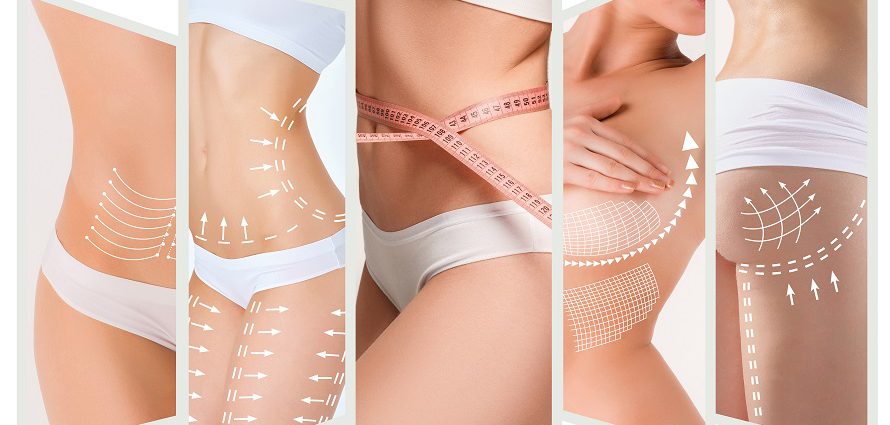
Body lift is a plastic surgery procedure that can be used to shape and tone the abdomen, buttocks, thighs and/or breasts. A lower body lift (belt lipectomy) involves the tummy, thighs, buttocks and back, while an upper body lift focuses primarily on the breasts, chest and middle back areas. If lower and upper body lifts are combined in one or two stages, the treatment is known as a total body lift.
Body lifts can be used to remove or tighten excess skin, cellulite and sagging fatty tissue. The procedure can help people who have experienced massive weight loss after bariatric surgery procedures such as gastric bypass and Lap Band. In addition, body lifts can help mothers get their pre-pregnancy bodies back as part of a mommy makeover.
Is a Body Lift Right for Me?
You may be a candidate for body lift if you have maintained a stable weight for a minimum of three months — preferably six months to a year — and are participating in a healthy exercise and dietary program. Candidates who have had gastric bypass, Lap Band or other gastric restrictive procedures should wait at least one year after weight loss surgery so that the health problems associated with obesity have had time to improve.
In addition, women who plan to have children may be advised to postpone surgery until after childbearing. Normal-weight women in their 30s and 40s may opt for body lift surgery to remove remaining skin and tissue after reducing excessive post-pregnancy weight.
The Body Lift Procedure
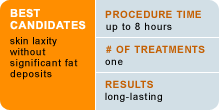
Body lift is typically performed in a hospital. However, some procedures may be performed in a fully accredited outpatient surgical center. Time in surgery ranges from four to eight hours. The procedure is usually performed under general anesthesia (while you are asleep).
Lower body lift starts with a belt-like excision above the outer thighs and buttocks. Your surgeon may further separate the thigh skin to help with the procedure. He or she will then remove excess skin and reshape the underlying tissue before suturing this area and starting the tummy tuck (abdominoplasty).
Tummy tuck involves a horizontal incision made along the pubic area and another around the navel to loosen the abdominal skin from the underlying tissue. Next, the surgeon will tighten the stomach muscles and remove excess skin and tissue. Your surgeon may suction out any remaining fat in this area with liposuction. The skin that remains is then repositioned and sutured at the pubic area, after which the belly button is returned to its original location.
Upper body lift starts with a broad bra-line skin removal. After your surgeon closes this excision, he or she will eliminate the rolls of fat from the back and narrow the waist. Any extra skin under the breasts or over the lower rib cage can now be removed. When closing, your surgeon will tighten the skin under the breasts, and the raised abdominal skin will be sutured to the lower rib cage.
As part of an upper body lift, men may also undergo male breast reduction.
Total Body Lift and Follow-Up Procedures
As the name implies, total body lift combines upper and lower body lifts along with supplemental procedures. This can be done as one surgery or at separate intervals. The surgeries may be broken up because risks tend to increase when multiple surgeries are performed at the same time. The sequencing intervals are not set in stone. Different surgeons have different methods for performing total body lifts. Some surgeons start with a lower body lift, then perform a breast lift, then provide a complete inner thigh reconstruction. Next, the surgeon may tackle the face, neck and arms.
Two of the more commonly performed body lift follow-up procedures include:
- Arm Lift (brachioplasty). Arm lift usually involves an incision along two areas: the armpit and the inside surface of the arm from the elbow to the armpit, in an inconspicuous location. Excess fat is removed through liposuction. The excess skin is trimmed away, and the remaining skin is pulled together and sutured in place. Dressings will be applied to the incision areas. A compression garment may be required for several weeks after surgery.
- Inner Thigh Lift (medial thighplasty). In most cases during thigh lift surgery, excess fat and hanging skin are removed from the upper, inner thigh through an incision placed at the junction of the thigh and the groin. However, for individuals with more severe thigh contour problems, an additional incision may be necessary, this time extending from the groin area along the inside of the thigh down to the knee. The surgeon uses liposuction to remove excess fat, then trims and tightens the skin before suturing the incision. The incision is then covered with dressings, and the patient may be asked to wear a compression garment for several weeks to help the skin adhere to the underlying tissues.
After Body Lift Surgery
Body lift is a major surgical procedure and requires significant recovery time. Most people spend one to three nights in the hospital after their body lift surgery.
Intravenous or intramuscular pain medications will help relieve discomfort after your body lift. Eventually, these can be replaced with oral pain medication.
Drainage tubes are inserted, which will require personal home care for up to two weeks. These tubes reduce swelling and remove any excess blood and other fluids. Surgical dressings are generally removed two days after surgery, and showering is allowed at that time. The doctor may provide you with a medical compression garment to wear at all times (except while bathing). Follow your surgeon’s instructions regarding how long you should wear this garment.
Your post-surgery activities will be restricted until you have recovered. You will not be allowed to exercise or lift five pounds or more. Walking is encouraged after surgery to reduce the risk of developing potentially fatal blood clots in your legs. Most people require four to six weeks’ recovery before returning to normal activities, and generally from six to eight weeks before exercising.
Your doctor should provide you with a complete instruction list including what you can and can’t do after your surgery to reduce the risk of complications.
Results may be fully visible after the swelling has abated. Approximately 75 percent of the swelling dissipates at six weeks and 90 percent is gone by three months.
Complications and Risks
With every medical procedure there is a possibility of complications. The most common body lift complications include seromas (fluid accumulations under the skin) and small skin separations. You may experience reduced sensation in the treated area, which can be permanent. Infection, bleeding and blood clots are much less common. The abdominal scars will appear to worsen during the first weeks or months, and may take up to 18 months before they flatten and lighten in color. The scars never disappear but can be hidden by clothing. Ask your doctor to explain your specific body lift risks as well as treatments for any potential complications.
Body Lift Cost
The cost of a body lift consists of three primary fees: the anesthesia fee, the hospital facility fee and the surgeon’s fee. The surgeon’s fee and hospital facility fee are the most difficult to predict without first knowing the extent of the procedure. In rare instances, insurance pays all of the body lift cost if the procedure is deemed medically necessary.
Treatments performed for purely cosmetic purposes rarely are covered by insurance. This policy is not unique to plastic surgery. For example, dental insurance typically does not cover nonessential smile makeover treatments.
Average fees for body lift (abdominoplasty, thigh and buttock lift) range from $12,000 to $50,000 (including hospital, surgeon and anesthesia fees). These costs vary based on the extent of the procedure.
As with most medical procedures, many surgeons offer payment plans. Many payment plans allow monthly installments over extended periods. For financing options and tips, continue reading about patient financing.
Choosing a Body Lift Surgeon
The importance of choosing a qualified, board-certified plastic surgeon to perform your body lift cannot be overstated. This is the best way to minimize your risk of complications and maximize your satisfaction with the cosmetic results of your body lift. During your initial consultation, always ask about the surgeon’s credentials, education, training, type of certification held and number of times that he or she has performed your desired procedure or procedures. You should be able to view before and after photos of others who have undergone body lift by this same surgeon. Ask if you may speak with any of these patients. Begin your search for the right surgeon now.
About the Reviewer of This Article
Dennis J. Hurwitz, MD, FACS, is the director of the Hurwitz Center for Plastic Surgery in Pittsburgh, Pennsylvania, where he specializes in body contouring, facelift, rhinoplasty and cleft lip repair. Dr. Hurwitz is a clinical professor of surgery at the University of Pittsburgh and is board certified by the American Board of Plastic Surgery and the American Board of Surgery. He is a member of the American Society for Aesthetic Plastic Surgery, the American Society of Plastic Surgeons and the American Association of Plastic Surgeons. Dr. Hurwitz is the author of Total Body Lift: reshaping the breasts, chest, arms, thighs, hips, back, waist, abdomen, and knees after weight loss, aging and pregnancies. He is also past medical director of the University of Pittsburgh Cleft Palate Craniofacial Center.