


Gummy Bear Breast Implants: The Next Breast Thing?
Reviewed by Grant Stevens, MD, FACS
Enthusiasm for gummy bear breast implants has been palpable for years. These highly cohesive gel, form-stable (a.k.a. “gummy bear”) breast implants combine the safety of saline breast implants with the natural feel of silicone breast implants.
Silicone is a naturally occurring element found in sand, quartz and rock that can be manufactured in the form of oils, gels and solids.
As their name implies, silicone gel breast implants are filled with a thick, liquid silicone gel. They’re popular for their natural look and feel, but if the implant shell ruptures, the gel may slowly leak out into the pocket and cause problems in the breast area.
Highly cohesive gel implants take the concept of a silicone implant a step further. They’re manufactured as a solid mass of silicone gel that’s created by adding a cross-linker to the liquid gel to produce a tighter molecular bond.
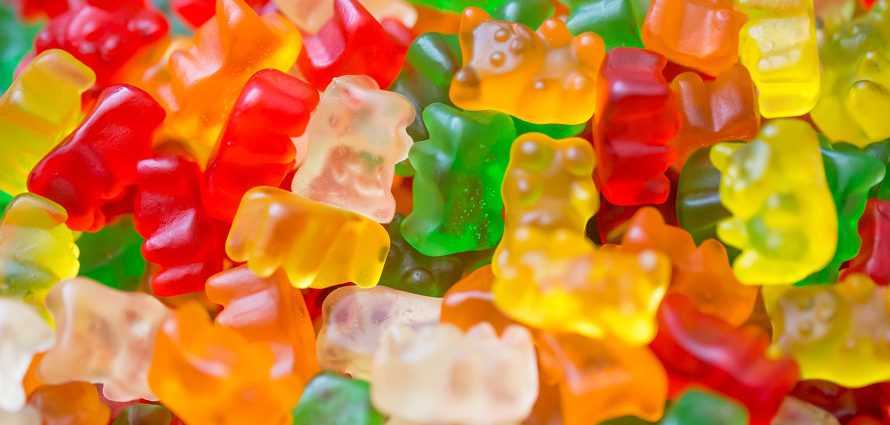
The result is similar in consistency and feel to the small, rubbery-textured and gelatin-based gummy bear candies, hence the nickname. Cut a wedge out of a cohesive gel implant and it will maintain its shape, which is why these devices are described as being more “form stable” than their less cohesive silicone gel cousins. Put another way: if the shell ruptures, the gel will not migrate. This is considered a safety plus.
Three highly cohesive gel implants are currently approved by the FDA. They are Allergan’s Natrelle 410, the Sientra line of breast implants and Mentor’s MemoryShape (formerly known as CPG).
What’s in a name?
These new and highly cohesive breast implants go by many names, including:
- Highly cohesive silicone gel implants
- Form-stable silicone breast implants
- Gummy bear implants
- Gummies
The Pluses and Minuses of Cohesive Gel Implants
Any medical device or procedure has its advantages and disadvantages, including gummy bear breast implants.
Pluses:
Shape and Feel: Not only do highly cohesive, form-stable gel implants feel soft and supple, but they maintain their anatomical (teardrop) shape well and their edges blend into the surrounding breast tissue, resulting in a very natural contour.
No Visible Implant Line: Form-stable means no folds or rippling because the gel does not shift from one area of the implant to another, as occurs with the more water-balloon-like saline implants.
No Leaking: Fold lines weaken a breast implant shell, which can cause a rupture. Although a cohesive gel implant shell could theoretically crack open, it’s less likely to do so than the shells of more flexible saline and silicone gel implants. And if it should rupture, the cohesive gel filler will maintain its shape and not leak out.
Less Risk of Capsular Contracture: Capsular contracture is a painful and potentially disfiguring condition that occurs when scar tissue tightens around breast implants. The exact cause is unknown. In countries where cohesive gel breast implants have been available for some time, including Canada and some European nations, studies indicate that capsular contracture occurs less often with cohesive gel implants than with other types of implants, but the jury is still out on this.
Minuses:
Shape and Feel: “Gummies” are so form-stable that they impart their shape on the breast. Consequently, a woman and her board-certified plastic surgeon need to be in agreement on the shape and look they’re going for. If they’re aiming for a rounder-shaped breast, the tear drop shape of the cohesive gel implant isn’t the best option. Highly cohesive, form-stable gel implants feel firmer than their silicone gel cousins, and this may be an issue for some women.
Incision Size: Again, since cohesive gel implants are form-stable, they cannot be squeezed through small incisions like saline implants. Typically, an incision between 1 ¾ and 2 ¼ inches (4.5 to 5.5 cm) is required to insert a gummy bear implant. This generally rules out periareolar (around the areola) and TUBA (belly button) incisions and makes a transaxillary (armpit) incision very difficult, leaving an inframammary incision (in the fold under the breast) the most likely choice.
Rotation: Anatomically shaped implants such as the gummy bear implant project more on the bottom than on top, mimicking the shape of a natural breast. If an anatomical implant rotates because the pocket holding it is too loose, it causes a distorted appearance that does not occur with round implants. This is considered a rare but possible complication that requires revision breast augmentation surgery to correct.
Cost: These implants will likely cost more than other silicone gel implants, which are already considerably more expensive than saline implants.
If you decide on gummy bear breast implants, choose an experienced, board-certified plastic surgeon who is well versed in their use to perform your breast surgery. Start your search for the right surgeon now.
About the Reviewer of This Article
Grant Stevens, MD, FACS, is the medical director of Marina Plastic Surgery Associates in Marina del Rey, CA. He is a board certified Diplomate of the American Board of Plastic Surgery and a Fellow of the American College of Surgeons and the International College of Surgeons. Dr. Stevens is the director of the USC Aesthetic Surgery Fellowship and Aesthetic Surgery Division. He is on the editorial board of Aesthetic Surgery Journal and is on the board of directors of the American Society for Aesthetic Plastic Surgery . He is past chairman of the California Medical Association Advisory Panel on Plastic Surgery and has received the Special Congressional Certificate of Recognition and the Distinguished Service Citation from the Medical Board of California.